
Consumer Wi-Fi mesh kits promise easy coverage, but in large homes they often leave you frustrated with dead spots and dropped connections. Enterprise-grade Wi-Fi handles sprawling properties differently, with wired backhaul and precision-installed access points that keep you always connected. If you want seamless roaming and reliable whole home Wi-Fi in Marbella, Sotogrande or London, understanding the real difference is key. Read on to see why professional networks simply work where consumer systems fall short. You can find more information here.
Consumer vs Enterprise Wi‑Fi Differences

Understanding the nuances between consumer and enterprise Wi-Fi can transform your home’s connectivity. Let’s explore these differences, focusing on how they impact large homes.
Consumer Wi‑Fi in Large Homes
When you install consumer Wi-Fi in a big house, you might think you’ll get full coverage everywhere. Often, it’s not that simple. These systems can be disappointing in bigger spaces.
Consumer Wi-Fi systems usually rely on a single router to cover the whole area. In large properties, this can lead to dead spots. You might find that one room has strong Wi-Fi, while another struggles to load a web page. This happens because the signal weakens as it travels further from the router.
Another common issue is the inability to handle many devices at once. Imagine streaming a movie while someone else joins a virtual meeting, and someone else listens to music. Your system can get overloaded, causing slow speeds and dropped connections. Unfortunately, consumer solutions often can’t keep up with the demands of modern, connected homes.
Enterprise-Grade Wi‑Fi Benefits
In contrast, enterprise-grade Wi-Fi offers a robust solution that tackles these issues head-on. This type of system is designed for reliability and full coverage, even in large properties.
One of the key benefits is the use of multiple access points. These are strategically placed throughout your home to ensure that every corner has a strong signal. You won’t experience the frustration of moving from one room to another only to lose your connection. It’s like having the same strong signal in every room.
Enterprise-grade systems also excel in managing lots of devices at once. Whether you’re hosting a party with many guests or have a family full of tech enthusiasts, the network can handle the load without slowing down. This means smooth streaming, gaming, and browsing for everyone.
Mesh Kits vs Professional Networks

The clash between mesh kits and professional networks is more than just a battle of brands. It highlights the stark contrasts in performance and reliability.
Why Mesh Systems Struggle
Mesh systems promise to fix Wi-Fi dead spots, but they often come up short in large homes. They rely on multiple small units to spread the signal, which sounds good in theory. But in practice, they can face obstacles.
One major drawback is that each mesh unit communicates wirelessly. If the signal between units weakens, the whole system suffers. This can result in reduced speeds or even loss of connection in parts of your home. The more units you add, the more complex and potentially unstable the system becomes.
Mesh systems can also struggle with interference from walls and floors. In large or multi-story homes, this can be a dealbreaker. While these systems aim to create a blanket of coverage, the barriers in your home can disrupt that plan.
Wired Backhaul and Its Advantages
A wired backhaul is a game-changer for Wi-Fi reliability. Unlike mesh systems, professional networks often use this approach to ensure strong connections.
With a wired backhaul, each access point is connected to the main router using cables. This eliminates the problem of weak wireless links between devices. It ensures each access point delivers consistent speeds and reliable coverage.
This setup shines in large homes where wireless signals might struggle to penetrate thick walls or reach distant rooms. By relying on cables, you get seamless roaming without the typical drop in performance seen with wireless mesh systems.
Designing a Bespoke Network
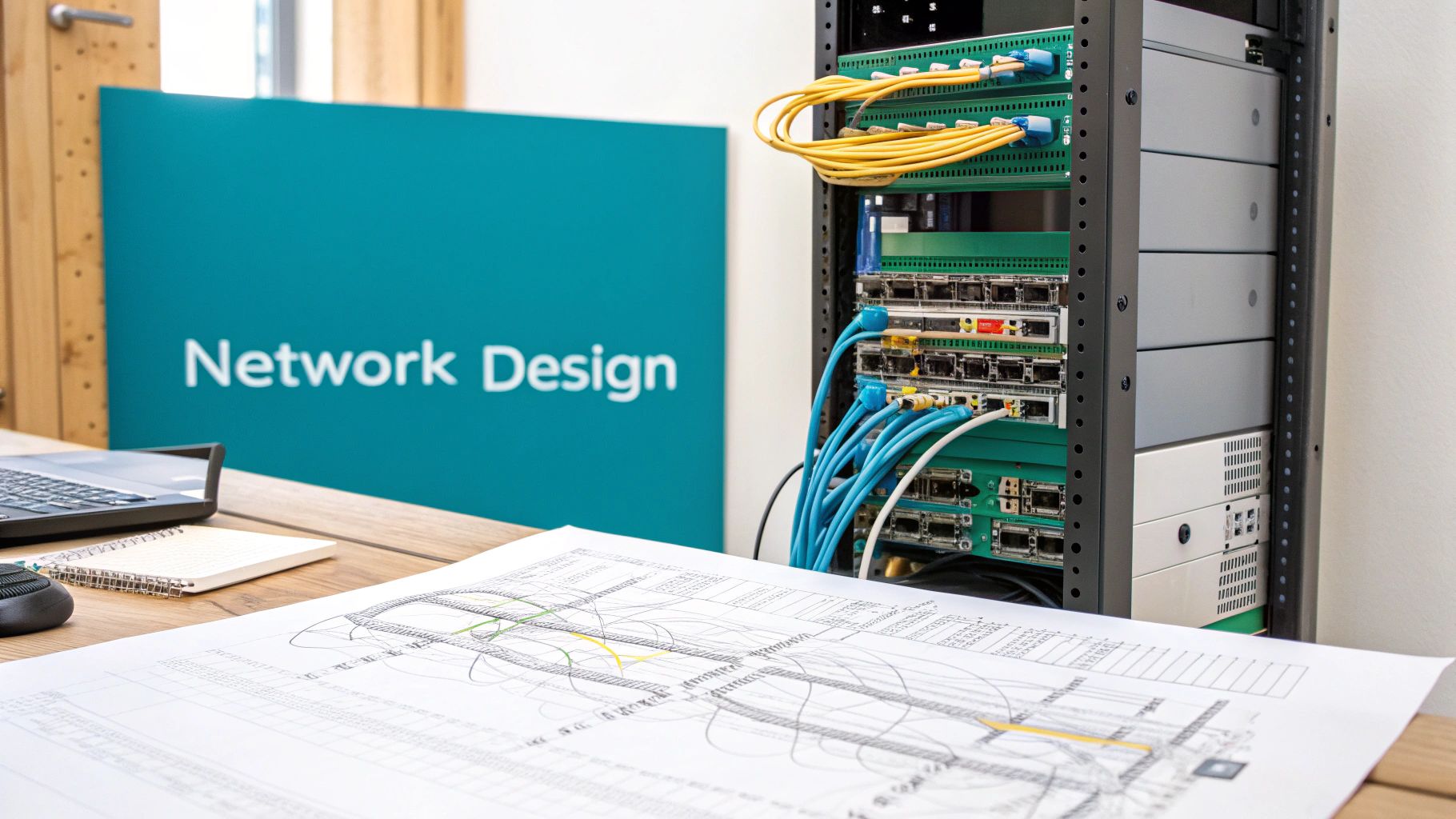
Creating a tailored Wi-Fi network for your home involves more than just picking the right hardware. It’s about understanding your unique needs and planning accordingly.
The Importance of Wi‑Fi Heat Mapping
Wi-Fi heat mapping is an essential step in designing a bespoke network. This process helps identify where signals are strong and where they’re weak, allowing for precise access point placement.
By conducting a heat map survey, professionals can see exactly how Wi-Fi behaves in your space. This ensures that no area is left without coverage and avoids unnecessary overlaps that can cause interference. It’s a crucial element in creating a seamless network.
With heat mapping, you address potential issues before they become problems. This proactive approach ensures that your network is both efficient and effective from day one.
Precision Installation and Support
Installing a network is not just about technical know-how; it’s also about precision and ongoing support. This ensures your system works flawlessly now and in the future.
Precision installation means each component is placed with care and expertise. This attention to detail guarantees that your network performs at its best, with no weak links. Whether it’s the placement of access points or the routing of cables, precision matters.
Beyond installation, professional support is key. Having experts on hand ensures that any issues are swiftly resolved. This peace of mind is invaluable, especially when your home or business relies on consistent connectivity.
If you struggle with dead spots or unreliable connections, consider a professional network. It could be the change you need.